๐Ÿ“„ Get Quote

Pipes and plumbing connections

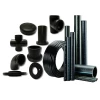
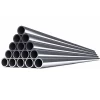
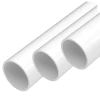
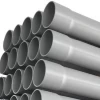
Pipes are long, cylindrical tubes that are used to transport fluids (liquids or gases) or to protect electrical and optical cables and wires. They are typically made of materials such as metal, plastic, or concrete.

Fittings are used to connect pipes together, or to connect pipes to other pieces of equipment such as pumps, valves, or appliances. They can be made from a variety of materials, including metal, plastic, and rubber.

Some common types of fittings include elbows, tees, couplings, adapters, and flanges. Pipes and fittings are used in a wide range of applications, including plumbing, heating and cooling systems, industrial manufacturing, and construction.

The selection of the right pipe and fitting material and size depends on the application and the type of fluid or gas being transported.
Showing 1โ€“20 of 29353 Results

Frequently Asked Questions

PVC and UPVC pipes are best for drainage and vent lines because they handle soil loads, moisture, and outdoor exposure. PPR is better for cold and hot water supply in bathrooms and kitchens. In Saudi projects, match the material to the line type and confirm the size and pressure rating before purchase.
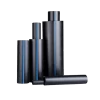
Yes. HDPE pipe is suitable for drainage and wastewater networks in Saudi Arabia because it resists soil movement, moisture, and outdoor weather. Select the correct diameter and pressure class based on burial depth, soil type, and project load. Youmats lists multiple HDPE sizes to help match open or residential drainage work.
Choose an elbow with the same nominal diameter, material, and brand as the pipe to reduce leaks. For larger diameters or higher pressure lines, use a reinforced or pressure-rated fitting. Before installation, clean and dry the pipe ends, then use the correct solvent cement, sealant, or compression method for that fitting type.
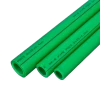
Yes. PPR pipe is commonly used for bathroom and kitchen water systems because it handles higher temperatures than standard plastic supply lines. It is a practical option for hot and cold water, especially in Saudi homes where hot water demand is common. Use matching PPR fittings and avoid direct sun exposure or chemical contact.
Check the product for clear brand, size, pressure rating, and Saudi standards markings. Look for consistent packaging, batch information, and usage details. When buying from Youmats, review the product description and keep your invoice for easier technical support or replacement if needed.

Our Clients