📄 Get Quote

Paints

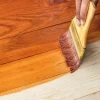
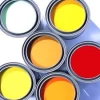
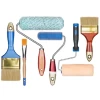
YouMats has many different types of paints, including oil-based paints, water-based paints, and latex paints. Oil-based paints are made from a combination of oil and pigment and are known for their durability and resistance to water and stains.

Water-based paints are made from water and pigment and are easier to clean up and more environmentally friendly than oil-based paints. Latex paints are also water-based and are made from synthetic polymers, such as acrylics or vinyl, which give them good adhesion and durability.

Showing 61–80 of 4047 Results

Frequently Asked Questions

Anti-slip epoxy features a textured finish that boosts traction, making it ideal for Riyadh and Jeddah parking areas and walkways. Standard epoxy offers a high-gloss, easy-to-clean surface perfect for factories and warehouses. Both are engineered to withstand Saudi Arabia’s intense heat and daily wear, with Youmats guaranteeing locally tested durability for long-lasting performance.
Yes, modern flexible waterproofing coatings act as a highly effective alternative to traditional membranes, forming a seamless barrier against leaks. They absorb thermal shocks and prevent concrete cracking in high-heat regions like Dammam and Qassim. Applying a proper surface prep layer maximizes lifespan and significantly cuts annual maintenance costs.
A standard paint gallon covers roughly 100 to 120 square meters per coat, while epoxy usually requires two to three coats for maximum durability. To minimize waste, multiply your total surface area by a 0.85 coverage factor. Using a platform calculator helps you order precisely and avoid overbuying.
Water-based paints are highly recommended for exterior facades as they dry quickly, resist fading under intense sun, and emit minimal VOCs for an odor-free environment. Oil-based coatings work best for doors and wood trim to deliver a durable high-gloss finish. Youmats stocks certified AlJazirah and Oscar products that meet strict Saudi durability standards.
Water-based paints typically dry to the touch in four hours and cure completely within 24 hours, while epoxy requires 24 to 72 hours depending on humidity. To preserve color and prevent peeling in hot cities, apply a heat-reflective primer and avoid high-pressure washing during the first two weeks of curing.

Our Clients