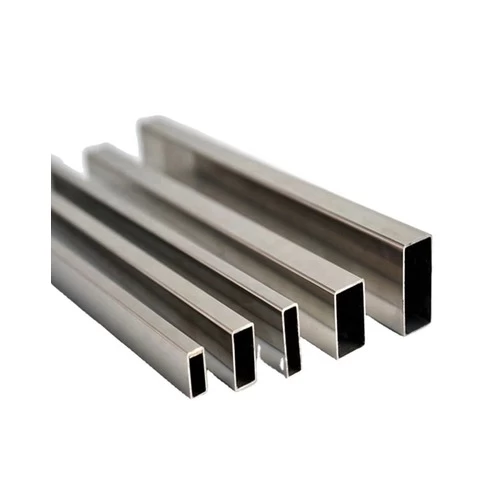
Detailed Technical Specifications for Rectangular Steel Tube
A rectangular steel tube is defined as an open geometric section with walls of equal or varying thickness, typically manufactured from carbon steel or stainless steel depending on the engineering application.
| Technical Specification |
Details Based on Product Data |
Optimal Use |
| Geometric Dimensions |
60 × 30 mm (Length × Width) |
Light frames, scaffolding supports. |
| Wall Thickness |
1.50 mm |
Applications requiring a balance between rigidity and weight. |
| Pipe Length |
6 meters (Standard Size) |
Facilitates transport and direct on-site installation. |
| Rust Resistance |
Heat-treated and coated |
Resistance to harsh weather conditions in Saudi Arabia. |
Fundamental Differences Between Rectangular and Circular Pipes
The term rectangular steel tube is often confused with traditional circular pipes. The primary difference lies in weight distribution and rigidity; the rectangular section offers greater surface area for the same weight compared to a circular one, making it ideal for structural frames where lateral loads are applied.
When dealing with high temperatures in Riyadh or sandstorms in the Eastern Province, the rectangular steel tube excels in its ability to distribute pressure evenly across all four sides, whereas a circular pipe tends to lose stability under uneven loads.
Practical Applications in Saudi Projects
This type of steel is used in constructing light structures, such as storage racks in warehouses within industrial zones, or in renovation and maintenance work for older buildings. It is also the first choice for manufacturing temporary scaffolding that requires light weight and rapid installation, and it fully complies with construction standards in the Kingdom.