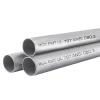
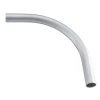
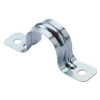
EMT pipe offers stronger mechanical protection for exposed wiring and indoor installations, while PVC is lighter and easier to run. Choose EMT when you expect pressure, abrasion, or higher fire exposure, and check ventilation for hot conditions in Riyadh or Jeddah to protect cable performance.
Choose the EMT pipe size based on the allowed cable cross-sectional area inside the conduit, not just the cable count. For commercial projects, use a larger size when cables have thicker insulation or run through hot zones, making pulling easier and reducing heat buildup during operation.
Yes, if the EMT pipe is galvanized or coated for rust resistance and meets local standards. In Dammam and Khobar, use treated EMT for outdoor or damp locations. Keep openings clean and seal fittings tightly to prevent moisture from entering the electrical wiring.
Standard EMT suits dry indoor wiring, while treated EMT gives better protection against rust, moisture, and corrosion. Choose it for marine buildings, exposed roofs, steam rooms, or areas exposed to rain. This extends service life and reduces frequent maintenance or early pipe replacement.
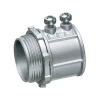
EMT connectors and clamps are sized for specific diameters, so match them exactly to your pipe. At Youmats, we recommend confirming size before installation, tightening fittings securely without over-tightening, and following manufacturer instructions. Clear openings from debris to ensure stable electrical connections and secure mechanical support.