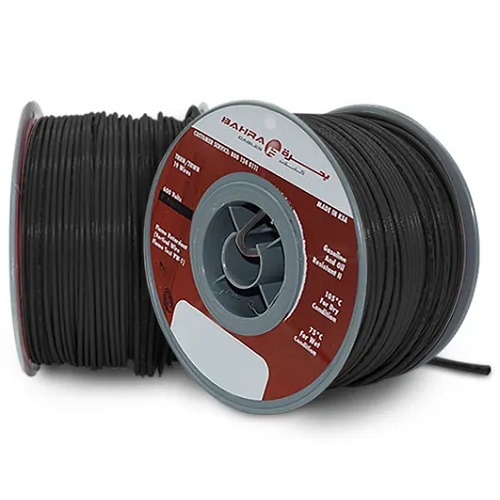
` containing `
` and `
` tags. It discusses #4 AWG Copper Wire for Saudi projects, installation practices, and technical specs.
2. **Identify Text to Translate:**
- `Additional Information`
- `▼` (keep as is, or translate? It's a symbol, keep as is)
- `Why Contractors Choose #4 AWG Copper Wire in Saudi Projects`
- `Professional electrical installers across Saudi Arabia consistently specify #4 awg copper wire for heavy-duty power distribution because this specific gauge safely handles 85 to 95 amps under standard load conditions without overheating or insulation breakdown during peak summer months in central regions. The stranded copper core bends easily around tight corners. PVC insulation holds up against Saudi summer heat. Nylon jackets stop sand abrasion during conduit pulls. Installation crews report fewer damaged cables when using this exact build.`
- `Installation Best Practices for Hot Climates`
- `Heat degrades insulation faster during peak summer months, so keeping conduit runs shaded whenever possible becomes a mandatory practice for long-term reliability and safety. Pull the wire during early morning or evening hours. Use proper lubricants rated for THHN/THWN. Never force a #4 awg copper wire through tight bends. The minimum bend radius matters. Follow the 8x diameter rule for stranded conductors. Our Riyadh Cables version meets SASO and IEC standards for wet and dry locations. Contractors using this wire in 2026 report zero premature failures in garage wiring and industrial motor circuits. The green color codes it correctly for grounding applications.`
- `Technical Specs You Actually Need`
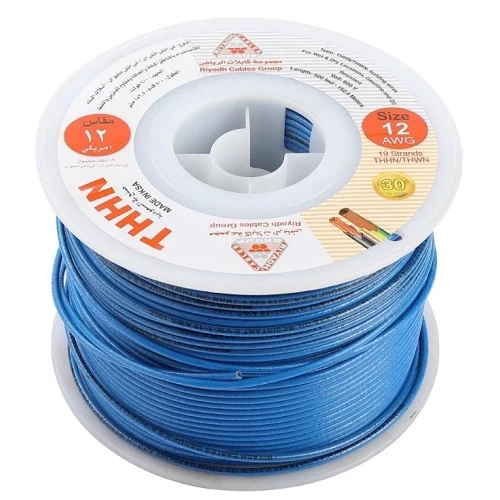
- `Technical specifications must match field requirements exactly, which is why checking DC resistance before ordering prevents costly downtime on active job sites across the kingdom. This wire shows 0.8481 ohms per kilometer at 20°C. The cross-sectional area sits at 21.15 mm². Each coil comes in 500-foot lengths for easier handling on site. You get 19 strands of 1.19 mm copper. That construction keeps flexibility high. Voltage rating stays at 600V. Wet location rating reaches 75°C. Dry location rating hits 90°C. These numbers match UL 83 and UL 1581 testing. Saudi contractors trust this data sheet because field results align perfectly with factory ratings.`
3. **Translate Text (Mental Draft & Refinement - MSA/Saudi Context):**
- *Additional Information* -> معلومات إضافية
- *Why Contractors Choose #4 AWG Copper Wire in Saudi Projects* -> لماذا يختار المقاولون سلك النحاس #4 AWG في المشاريع السعودية
- *Professional electrical installers across Saudi Arabia consistently specify #4 awg copper wire for heavy-duty power distribution because this specific gauge safely handles 85 to 95 amps under standard load conditions without overheating or insulation breakdown during peak summer months in central regions. The stranded copper core bends easily around tight corners. PVC insulation holds up against Saudi summer heat. Nylon jackets stop sand abrasion during conduit pulls. Installation crews report fewer damaged cables when using this exact build.* -> يصرّ المهندسون والفنيون الكهربائيون المحترفون في جميع أنحاء المملكة العربية السعودية على تحديد استخدام سلك النحاس #4 AWG لتوزيع الأحمال الكهربائية الثقيلة، نظراً لقدرته على تحمل تيار يتراوح بين 85 إلى 95 أمبير بأمان تحت ظروف الحمل القياسي، دون ارتفاع مفرط في الحرارة أو تلف العزل خلال أشهر الصيف الحارة في المناطق الوسطى. يتميز القلب النحاسي المتعدد الخيوط بسهولة الانحناء حول الزوايا الضيقة. كما يتحمل عزل PVC حرارة الصيف السعودية القاسية، بينما تحمي الغلاف النايلوني من تآكل الرمال أثناء سحب الأسلاك داخل الأنابيب. ويشير فرق التركيب إلى انخفاض معدل تلف الكابلات عند استخدام هذا النوع المحدد من الأسلاك.
- *Installation Best Practices for Hot Climates* -> أفضل ممارسات التركيب للمناخات الحارة
- *Heat degrades insulation faster during peak summer months, so keeping conduit runs shaded whenever possible becomes a mandatory practice for long-term reliability and safety. Pull the wire during early morning or evening hours. Use proper lubricants rated for THHN/THWN. Never force a #4 awg copper wire through tight bends. The minimum bend radius matters. Follow the 8x diameter rule for stranded conductors. Our Riyadh Cables version meets SASO and IEC standards for wet and dry locations. Contractors using this wire in 2026 report zero premature failures in garage wiring and industrial motor circuits. The green color codes it correctly for grounding applications.* -> يتسبب الحرارة في تدهور العزل بسرعة أكبر خلال ذروة الصيف، لذا يصبح ظلّ مسارات الأنابيب (Conduit) كلما أمكن ذلك ممارسة إلزامية لضمان الموثوقية والسلامة على المدى الطويل. يُفضل سحب السلك خلال ساعات الصباح الباكر أو المساء. استخدم مواد تشحيم مناسبة ومعتمدة لمواصفات THHN/THWN. لا تقم أبداً بإجبار سلك النحاس #4 AWG على الانحناء بشكل حاد. إذ إن نصف قطر الانحناء الأدنى عامل حاسم. التزم بقاعدة الضعف (8 أضعاف القطر) للقنوات النحاسية متعددة الخيوط. تلبي نسختنا من أسلاك الرياض (Riyadh Cables) معايير SASO و IEC للمواقع الجافة والرطبة. ويبلغ عدد المقاولين الذين استخدموا هذا السلك في عام 2026 عن انعدام تام للأعطال المبكرة في أسلاك المرائب والدوائر الكهربائية لمحركات الصناعة. ويصنف اللون الأخضر السلك بشكل صحيح لتطبيقات التأريض.
- *Technical Specs You Actually Need* -> المواصفات الفنية التي تحتاجها فعلياً
- *Technical specifications must match field requirements exactly, which is why checking DC resistance before ordering prevents costly downtime on active job sites across the kingdom. This wire shows 0.8481 ohms per kilometer at 20°C. The cross-sectional area sits at 21.15 mm². Each coil comes in 500-foot lengths for easier handling on site. You get 19 strands of 1.19 mm copper. That construction keeps flexibility high. Voltage rating stays at 600V. Wet location rating reaches 75°C. Dry location rating hits 90°C. These numbers match UL 83 and UL 1581 testing. Saudi contractors trust this data sheet because field results align perfectly with factory ratings.* -> يجب أن تتطابق المواصفات الفنية تماماً مع متطلبات الموقع الفعلي، ولهذا السبب يمنع فحص مقاومة التيار المستمر (DC) قبل الطلب حدوث توقف مكلف للعمل في مواقع الإنشاءات النشطة عبر المملكة. يُظهر هذا السلك مقاومة قدرها 0.8481 أوم لكل كيلومتر عند درجة حرارة 20°م. ويبلغ مساحة المقطع العرضي 21.15 ملم². تأتي كل بكرة بطول 500 قدم لتسهيل التعامل معها في الموقع. يتكون من 19 خيطاً من النحاس بقطر 1.19 ملم. يحافظ هذا التصميم على مرونة عالية. ويبقى تصنيف الجهد الكهربائي عند 600 فولت. ويصل تصنيف الموقع الرطب إلى 75°م، بينما يبلغ تصنيف الموقع الجاف 90°م. تتطابق هذه الأرقام مع اختبارات UL 83 و UL 1581. ويثق المقاولون السعوديون في ورقة البيانات هذه لأن نتائج الميدان تتطابق تماماً مع التصنيفات المصنعية.
4. **Check Constraints & Refine:**
- *HTML Structure:* Must be preserved exactly.
- *Technical Terms:* #4 AWG, THHN/THWN, SASO, IEC, UL 83, UL 1581, DC resistance, ohms, mm², 600V, 75°C, 90°C, 20°C, 500-foot, 19 strands, 1.19 mm, 0.8481 ohms, 21.15 mm². Keep these as is or adapt appropriately. I'll keep the numbers and codes exactly as in the source.
- *Brand:* "Riyadh Cables" -> أسلاك الرياض (Riyadh Cables) or just keep Riyadh Cables. The rule says "Keep brand names... unchanged". I'll keep "Riyadh Cables" in English or transliterate it


-size_50_50.webp)